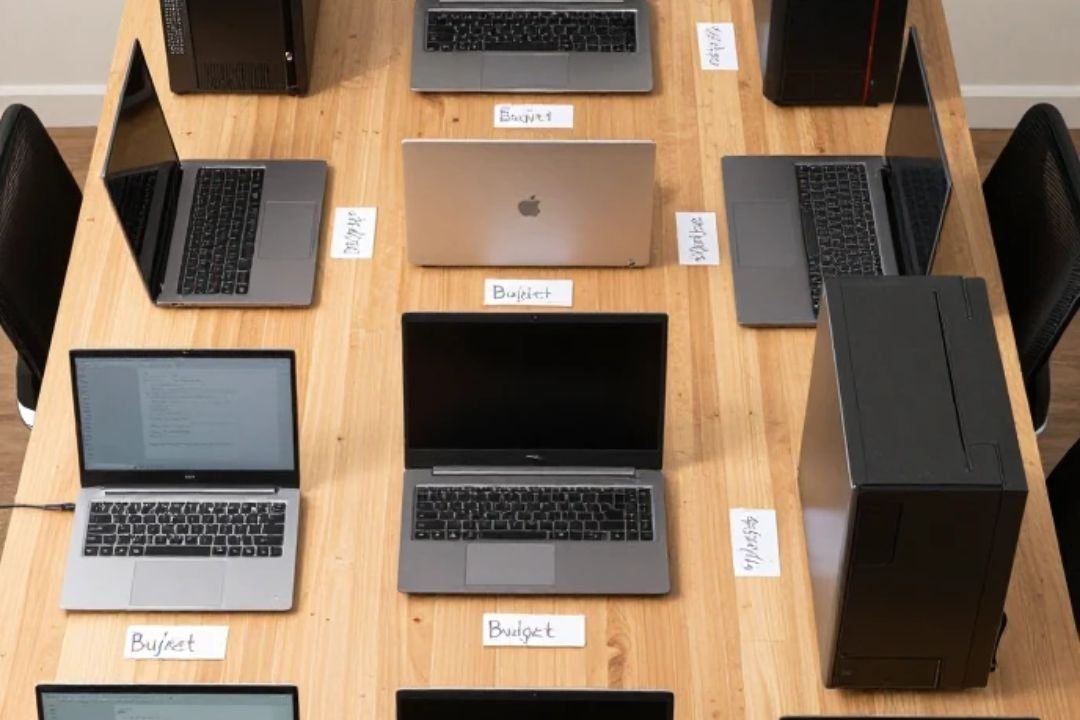

Buying a computer or laptop is an important decision, whether you need it for work, education, entertainment, gaming, or creative projects. With so many models available at different price points, finding the right device can seem challenging. Fortunately, understanding your needs, budget, and the key hardware components can make the buying process much easier.
This buying guide will help you choose the best computer or laptop for every budget. We’ll explain what features matter most, how to compare specifications, and what to expect from budget, mid-range, and premium devices. By the end of this guide, you’ll have the knowledge needed to make a smart and confident purchase.
Why Your Budget Matters
Setting a budget before shopping helps narrow your options and prevents overspending. The most expensive computer isn’t always the best choice. Instead, focus on buying a device that offers the right balance of performance, features, and value.
Most computers and laptops fall into three categories:
- Budget models
- Mid-range devices
- Premium and high-performance systems
Each category serves different types of users, so understanding your needs is the first step.
Budget Computers and Laptops
Budget computers are ideal for users who perform basic daily tasks and don’t require advanced hardware.
Best For
- Students
- Home users
- Web browsing
- Online classes
- Video streaming
- Office documents
Recommended Features
- Processor: Entry-level modern processor
- RAM: 8GB
- Storage: 256GB SSD or larger
- Display: Full HD (1920 × 1080)
- Battery Life: 6–10 hours for laptops
Even affordable computers can deliver smooth performance for everyday activities if they include an SSD and sufficient RAM.
Mid-Range Computers and Laptops
Mid-range devices provide an excellent balance between price and performance. They are suitable for professionals, university students, remote workers, and multitaskers.
Best For
- Office productivity
- Programming
- Online meetings
- Light photo editing
- Multitasking
- Business applications
Recommended Features
- Processor: Mid-range multi-core processor
- RAM: 16GB
- Storage: 512GB SSD
- Display: Full HD or higher
- Battery Life: 8–12 hours
Most users will find this category offers the best overall value for money.
Premium Computers and Laptops
Premium systems are designed for users who require maximum performance.
Best For
- Video editing
- Graphic design
- Software development
- 3D modeling
- Engineering
- Professional photography
- High-end gaming
Recommended Features
- Processor: High-performance multi-core processor
- RAM: 32GB or more
- Storage: 1TB SSD or larger
- Dedicated Graphics: Recommended
- Display: High-resolution with excellent color accuracy
Although premium devices cost more, they deliver outstanding speed, reliability, and future-proof performance.
Laptop or Desktop: Which Is Better?
Choosing between a desktop and a laptop depends on your lifestyle.
Laptop Advantages
- Portable
- Lightweight
- Battery-powered
- Easy to carry
- Suitable for travel and remote work
Desktop Advantages
- Better performance for the price
- Easier hardware upgrades
- Better cooling
- Larger display options
- Longer lifespan
If portability is important, choose a laptop. If you need maximum power and upgrade flexibility, a desktop is often the better investment.
Understanding the Processor
The processor (CPU) is one of the most important components of any computer. It determines how quickly applications run and how well your system handles multitasking.
Choose a processor based on your workload:
- Basic tasks require entry-level processors.
- Office work benefits from mid-range processors.
- Creative and professional work requires high-performance processors.
A capable processor improves responsiveness and extends the useful life of your computer.
How Much RAM Do You Need?
RAM allows your computer to run multiple applications smoothly.
General recommendations:
- 8GB: Everyday use
- 16GB: Productivity and multitasking
- 32GB or more: Professional content creation, engineering, and gaming
Choosing enough RAM now helps your computer remain useful for several years.
SSD vs HDD Storage
Storage affects both speed and capacity.
Solid-State Drive (SSD)
Advantages:
- Faster startup
- Faster software loading
- Quiet operation
- Better durability
- Lower power consumption
Hard Disk Drive (HDD)
Advantages:
- Lower price
- Larger storage capacity
For most buyers, an SSD is the preferred choice because it dramatically improves overall performance.
Choosing the Right Graphics
Graphics performance depends on your intended use.
Integrated Graphics
Suitable for:
- Office work
- Browsing
- Streaming
- Education
Dedicated Graphics Card
Recommended for:
- Gaming
- Video editing
- Graphic design
- Animation
- CAD software
Dedicated graphics significantly improve performance for visually demanding applications.
Display Features to Consider
A high-quality display improves comfort, productivity, and entertainment.
Screen Size
- 13–14 inches for portability
- 15–16 inches for balanced use
- 17 inches for gaming and creative work
Resolution
Higher resolutions produce sharper images.
Popular options include:
- Full HD
- Quad HD
- 4K Ultra HD
Panel Quality
IPS displays provide excellent viewing angles and color accuracy, making them a strong choice for most users.
Battery Life
Battery life is especially important for students, travelers, and professionals who work on the go.
Look for laptops offering:
- Long battery life
- Fast charging
- Energy-efficient hardware
Actual battery performance depends on workload and screen brightness.
Build Quality and Portability
A durable computer offers better long-term value.
Look for:
- Strong construction
- Comfortable keyboard
- Responsive touchpad
- Lightweight design
- Durable hinges
Premium materials often improve durability and overall user experience.
Connectivity and Ports
Modern computers should include useful connectivity options such as:
- USB-A
- USB-C
- HDMI
- Audio jack
- SD card reader
- Bluetooth
- Wi-Fi
Choose a device with the ports you need to avoid relying on additional adapters.
Security Features
Security is increasingly important for personal and business users.
Useful security features include:
- Fingerprint reader
- Facial recognition
- Device encryption
- TPM security chip
- Webcam privacy shutter
These features help protect your information and improve device security.
Common Buying Mistakes
Avoid these mistakes when purchasing a computer:
- Buying based only on price
- Ignoring future needs
- Choosing too little RAM
- Selecting slow storage
- Overlooking battery life
- Ignoring display quality
- Not checking warranty coverage
Taking time to compare specifications helps you make a better long-term investment.
Tips for Getting the Best Value
Before making your purchase:
- Compare several models.
- Read expert and customer reviews.
- Check warranty and after-sales support.
- Buy during promotional sales if possible.
- Make sure your software is compatible.
- Consider future upgrade options.
These steps can help you maximize your budget while choosing a reliable device.
Conclusion
The best computer or laptop is not necessarily the most expensive one—it is the one that matches your needs, workload, and budget. Budget systems are excellent for everyday tasks, mid-range devices provide the best balance of performance and value, and premium computers are ideal for demanding professional and creative work.
By understanding the importance of the processor, RAM, storage, graphics, display, battery life, and build quality, you can confidently choose a device that meets your current requirements and continues to perform well for years to come.
Whether you are a student, business professional, gamer, or content creator, investing in the right computer is an investment in your productivity and digital future. Take your time, compare your options carefully, and choose a computer or laptop that delivers the best value for your budget.