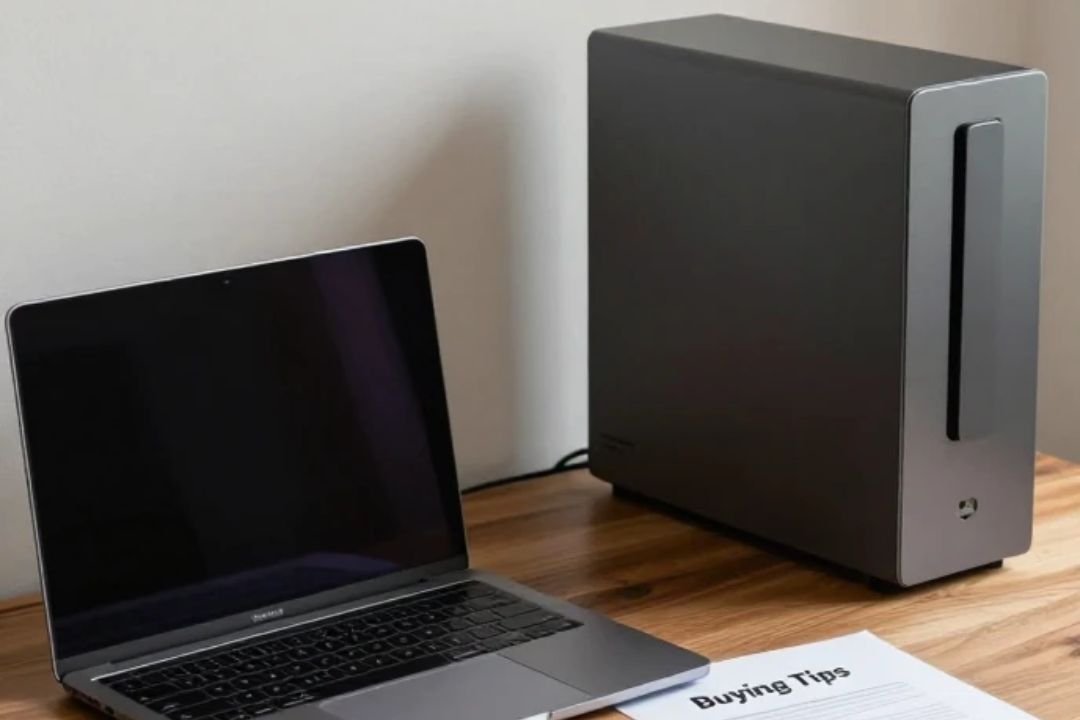

Buying a new laptop or computer is a major decision that requires careful planning. With so many brands, models, and technical specifications available, choosing the right device can be confusing. A smart buyer does not simply purchase the most expensive computer but selects a system that matches their needs, budget, and future requirements.
Whether you need a laptop for work, education, gaming, business, entertainment, or creative projects, understanding important features can help you make a better choice. This laptop and computer buying guide provides practical tips to help you select a reliable and powerful device.
Understand Your Purpose Before Buying
The first step in choosing the right computer is identifying how you will use it. Different tasks require different levels of performance.
Everyday Users
For basic activities such as browsing websites, watching videos, using social media, and working with documents, a simple laptop with decent performance is enough.
Recommended features:
- Modern processor
- 8GB RAM
- SSD storage
- Full HD display
Students
Students need computers that are portable, affordable, and reliable.
Important features include:
- Long battery life
- Lightweight design
- Comfortable keyboard
- Fast startup speed
- Good webcam for online classes
Business Users
Professionals should focus on performance, security, and reliability.
Useful features include:
- Fast processor
- Strong build quality
- Security options
- Good connectivity
- Reliable battery performance
Gamers and Creators
Gaming and creative work require powerful hardware.
Look for:
- Dedicated graphics card
- High-performance processor
- More RAM
- High-refresh-rate display
- Advanced cooling system
Understanding your purpose prevents you from spending money on features you do not need.
Choose Between a Laptop and Desktop Computer
One of the biggest decisions is choosing between a laptop and a desktop.
Advantages of Laptops
- Portable and easy to carry
- Built-in battery
- Requires less space
- Suitable for travel
- Convenient for remote work
Advantages of Desktop Computers
- More powerful performance
- Easier upgrades
- Better cooling
- Larger screen options
- Better value for high-performance tasks
Choose a laptop if mobility is important. Choose a desktop if you need maximum performance and plan to use the computer in one location.
Select the Right Processor
The processor is one of the most important parts of a computer. It controls how quickly your system handles tasks.
When choosing a processor, consider your workload.
For basic tasks:
- Entry-level processors are usually sufficient.
For productivity:
- Mid-range processors provide smooth multitasking.
For demanding work:
- High-performance processors are better for gaming, editing, and professional applications.
A good processor improves speed, efficiency, and the overall user experience.
Choose Enough RAM for Smooth Performance
RAM allows your computer to handle multiple programs at the same time.
Recommended RAM levels:
8GB RAM
Suitable for:
- Web browsing
- Office work
- Streaming
- Online learning
16GB RAM
Ideal for:
- Professionals
- Multitasking
- Programming
- Business applications
32GB or More
Recommended for:
- Video editing
- 3D design
- Gaming
- Advanced software
Choosing enough RAM helps your computer remain useful for a longer period.
Consider Storage Type and Capacity
Storage affects both speed and how many files you can save.
SSD Storage
Modern computers usually use SSD storage because it provides:
- Faster startup times
- Quick application loading
- Better durability
- Lower power usage
HDD Storage
Traditional hard drives offer:
- More storage at a lower price
However, they are slower than SSDs.
For most buyers, a computer with SSD storage provides a much better experience.
Pay Attention to Graphics Performance
Graphics requirements depend on your activities.
Integrated graphics are suitable for:
- Browsing
- Office work
- Watching videos
- Basic tasks
Dedicated graphics cards are recommended for:
- Gaming
- Video production
- Graphic design
- Animation
- Engineering software
If you work with visual content, investing in better graphics performance can make a significant difference.
Check Display Quality
The display is something you use every time you operate your computer.
Important display factors include:
Screen Size
- 13–14 inches: Best for portability
- 15–16 inches: Balanced option for most users
- 17 inches: Better for gaming and professional work
Resolution
Higher resolution provides sharper images.
Common choices:
- Full HD
- Quad HD
- 4K
Display Technology
IPS panels usually offer better colors and viewing angles, making them a good choice for everyday users and professionals.
Do Not Ignore Battery Life
Battery life is essential for laptop users who work or study away from power outlets.
Consider:
- Battery capacity
- Fast charging support
- Energy-efficient hardware
A laptop with good battery performance provides greater freedom and convenience.
Consider Build Quality and Design
A computer should be comfortable and durable.
Important design features include:
- Strong construction
- Comfortable keyboard
- Responsive touchpad
- Lightweight body
- Durable hinges
A well-built laptop usually lasts longer and provides a better daily experience.
Check Connectivity Options
Modern computers should provide enough connectivity for your accessories.
Useful ports include:
- USB-A
- USB-C
- HDMI
- Audio jack
- SD card reader
Also check:
- Wi-Fi performance
- Bluetooth support
Having the right connections prevents compatibility problems later.
Choose the Right Operating System
The operating system affects how you use your computer.
Windows
Best for:
- Gaming
- Business use
- General users
- Wide software compatibility
macOS
Popular among:
- Creative professionals
- Users who prefer Apple’s ecosystem
Linux
Preferred by:
- Developers
- Programmers
- Advanced users
Choose an operating system that supports the software and workflow you need.
Think About Security Features
Security is important for protecting personal and professional information.
Useful security features include:
- Fingerprint scanner
- Facial recognition
- Encryption support
- TPM security chip
- Privacy camera features
These features add an extra layer of protection.
Set a Realistic Budget
Before shopping, decide how much you want to spend.
Budget computers are suitable for basic tasks, while mid-range systems provide better performance for most users. Premium devices are designed for professionals who need advanced features.
A smart buyer focuses on value rather than simply choosing the cheapest or most expensive option.
Avoid Common Buying Mistakes
Many buyers make mistakes that lead to poor purchasing decisions.
Avoid:
- Buying only because of brand name
- Ignoring specifications
- Choosing outdated hardware
- Buying too little storage
- Forgetting warranty details
- Not checking customer reviews
Research before buying helps you get better performance and reliability.
Compare Before Making a Decision
Before purchasing:
- Compare multiple models.
- Read professional reviews.
- Check user feedback.
- Review warranty options.
- Consider future needs.
A few minutes of research can save money and prevent disappointment.
Future-Proof Your Purchase
Technology changes quickly, so consider future requirements.
Choose a computer with:
- Enough RAM
- Fast storage
- Modern processor
- Good battery life
- Updated connectivity
A slightly better computer today may provide value for many years.
Conclusion
Buying the right laptop or computer requires careful consideration of your needs, budget, and expected usage. Smart buyers focus on important factors such as processor performance, RAM, storage, graphics, display quality, battery life, and build quality.
Whether you need a device for studying, working, gaming, or creative projects, choosing the right computer can improve productivity and provide a better digital experience.
By following these laptop and computer buying tips, you can make a confident decision and invest in a device that delivers reliable performance for years to come.