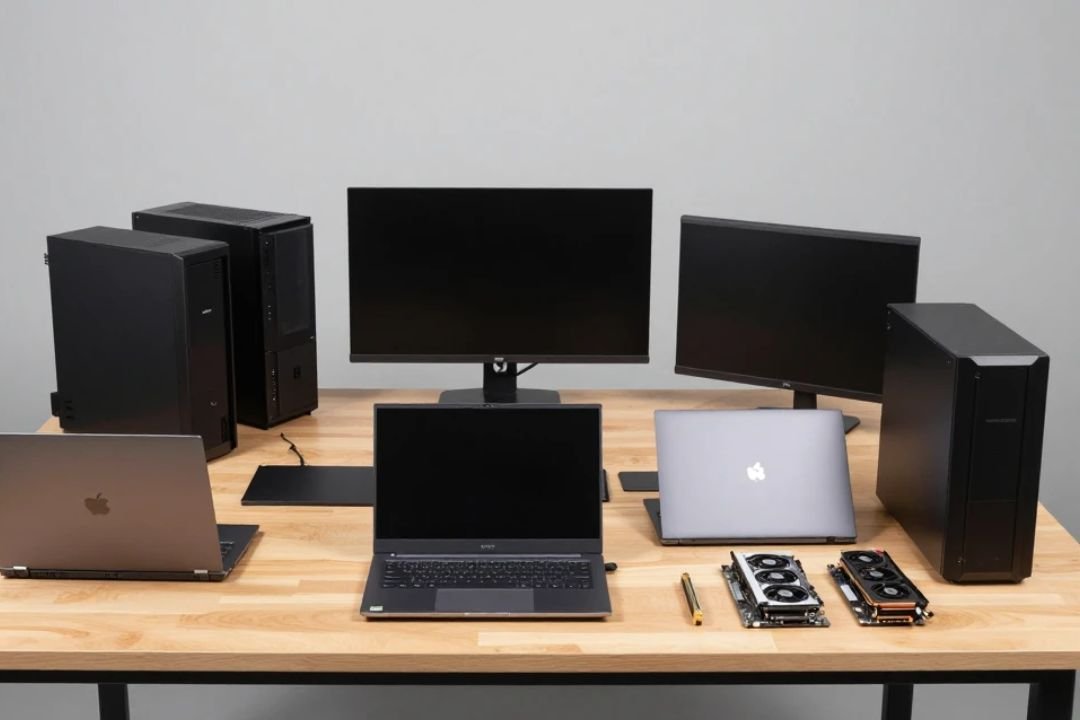

Buying a new computer or laptop is an important investment. Whether you need a device for work, school, gaming, content creation, or everyday use, choosing the right model can improve your productivity and save you money in the long run. With hundreds of options available from different brands, selecting the perfect computer may seem overwhelming.
This ultimate computer and laptop buying guide explains everything you need to know before making a purchase. From processors and memory to storage, graphics, battery life, and display quality, this guide will help you make an informed decision based on your needs and budget.
Why Choosing the Right Computer Matters
A computer is more than just a device—it is a tool that supports your daily activities. Purchasing the wrong laptop or desktop can lead to slow performance, limited storage, poor battery life, or unnecessary expenses.
Choosing the right computer offers several benefits:
- Better productivity
- Faster performance
- Longer device lifespan
- Improved user experience
- Greater value for money
Before comparing models, identify how you plan to use your computer.
Determine Your Primary Purpose
Understanding your needs is the first step in choosing the right computer.
Everyday Use
For web browsing, email, online shopping, video streaming, and office applications, an entry-level or mid-range laptop is usually sufficient.
Students
Students should look for lightweight laptops with reliable battery life, a comfortable keyboard, and enough performance for assignments, online classes, and research.
Business Professionals
Professionals benefit from laptops with fast processors, excellent security features, long battery life, and dependable build quality.
Content Creators
Graphic designers, video editors, photographers, and music producers need powerful processors, dedicated graphics cards, high-resolution displays, and larger storage capacities.
Gamers
Gaming laptops require powerful graphics cards, high-refresh-rate displays, fast processors, and advanced cooling systems to deliver smooth gameplay.
Desktop Computer vs. Laptop
Before purchasing, decide whether a desktop or laptop better fits your lifestyle.
Desktop Computers
Advantages:
- Higher performance for the price
- Easier to upgrade
- Better cooling
- Larger monitors
- Longer lifespan
Disadvantages:
- Not portable
- Requires dedicated workspace
Laptops
Advantages:
- Portable
- Battery-powered
- Space-saving
- Ideal for travel and remote work
Disadvantages:
- Limited upgrade options
- Smaller screens
- Repairs may cost more
If mobility is important, a laptop is the better choice. If maximum performance is your priority, a desktop computer may provide better value.
Choosing the Right Processor (CPU)
The processor is often called the brain of a computer. It determines how quickly your system performs tasks.
General recommendations:
- Entry-level processors for basic computing
- Mid-range processors for office work and multitasking
- High-performance processors for gaming, editing, and professional workloads
A faster processor improves application performance, multitasking, and overall responsiveness.
How Much RAM Do You Need?
Random Access Memory (RAM) allows your computer to run multiple applications smoothly.
Recommended RAM sizes:
- 8GB: Suitable for everyday use, web browsing, and office work.
- 16GB: Ideal for students, professionals, and most users.
- 32GB or more: Best for video editing, software development, engineering, and advanced gaming.
More RAM improves multitasking and overall system performance.
Choosing the Right Storage
Modern computers use two primary storage types.
Solid-State Drive (SSD)
Advantages:
- Faster boot times
- Faster application loading
- Silent operation
- Better durability
- Lower power consumption
Hard Disk Drive (HDD)
Advantages:
- Lower cost
- Larger storage capacity
For most users, an SSD is the preferred option because it significantly improves speed and responsiveness.
Many premium laptops combine SSD storage for speed with larger secondary storage for files.
Understanding Graphics Cards
Graphics processing is essential for gaming, creative work, and certain professional applications.
Integrated Graphics
Suitable for:
- Web browsing
- Office applications
- Streaming videos
- Online learning
Dedicated Graphics
Recommended for:
- Gaming
- Video editing
- 3D modeling
- Graphic design
- Animation
If your work involves visual content creation, investing in a dedicated graphics card is worthwhile.
Display Quality Matters
The display affects both comfort and productivity.
Consider the following factors:
Screen Size
- 13–14 inches for portability
- 15–16 inches for balanced performance
- 17 inches for gaming and creative professionals
Resolution
Higher resolutions produce sharper images and better viewing experiences.
Common options include:
- Full HD (1920 × 1080)
- Quad HD
- 4K Ultra HD
Panel Type
IPS displays generally offer better color accuracy and wider viewing angles than basic display panels.
Battery Life
Battery performance is especially important for students, travelers, and remote workers.
Look for laptops offering:
- All-day battery life
- Fast charging
- Energy-efficient processors
Actual battery performance depends on usage, screen brightness, and running applications.
Build Quality and Design
A well-built laptop lasts longer and provides a better user experience.
Features to consider include:
- Durable chassis
- Comfortable keyboard
- Precision touchpad
- Lightweight design
- Strong hinge construction
Premium materials such as aluminum often provide better durability than plastic.
Connectivity and Ports
Before buying, check available ports and wireless features.
Useful connections include:
- USB-A
- USB-C
- HDMI
- Audio jack
- SD card reader
- Ethernet (on some models)
Modern laptops should also support Wi-Fi and Bluetooth for reliable wireless connectivity.
Operating System
Choose an operating system that matches your needs and software preferences.
Common options include:
- Windows for broad software compatibility and gaming.
- macOS for users invested in the Apple ecosystem and creative workflows.
- Linux for developers, IT professionals, and users who prefer open-source software.
Each operating system has its strengths, so choose one based on your workflow.
Important Security Features
Security should not be overlooked when purchasing a computer.
Useful features include:
- Fingerprint reader
- Facial recognition
- TPM security chip
- Webcam privacy shutter
- Encryption support
These features help protect your personal and business data.
Set a Realistic Budget
Computers are available across a wide range of prices.
General categories include:
- Budget models for everyday tasks
- Mid-range systems for productivity and multitasking
- Premium laptops for professionals and creators
- High-end gaming computers with advanced hardware
Rather than buying the most expensive model, choose one that offers the features you actually need.
Common Mistakes to Avoid
Avoid these common buying mistakes:
- Buying based only on appearance
- Ignoring future upgrade needs
- Choosing too little storage
- Purchasing insufficient RAM
- Overlooking battery life
- Forgetting warranty coverage
- Ignoring customer reviews
Taking time to compare specifications can prevent expensive mistakes.
Tips for Making the Best Purchase
Before buying a computer or laptop:
- Compare multiple models.
- Read professional and user reviews.
- Check warranty terms.
- Look for seasonal discounts.
- Verify software compatibility.
- Consider future upgrade options.
- Buy from trusted retailers.
These steps help ensure you receive the best value for your investment.
Conclusion
Choosing the right computer or laptop doesn’t have to be complicated. By understanding your needs, comparing key specifications, and setting a realistic budget, you can confidently select a device that delivers reliable performance for years to come.
Whether you need a lightweight laptop for school, a powerful workstation for creative projects, a dependable business computer, or a high-performance gaming machine, the best choice is the one that matches your daily tasks and long-term goals.
Technology continues to evolve, but the fundamentals remain the same: focus on performance, reliability, security, display quality, battery life, and overall value. With careful planning and informed decision-making, you can invest in a computer or laptop that meets your needs today and continues to perform well into the future.